 English
  Castellano
  Français
  Italiano
  Deutsch

The evolution of workplace design has transformed the way we understand corporate furniture. Today, creating an efficient office is no longer just about selecting desks, chairs, or storage solutions; it is about understanding how people use each space throughout their working day.
In this context, Soft Seating solutions have become a key element in creating flexible, functional environments adapted to modern work dynamics.
Spaces That Adapt to Different Needs
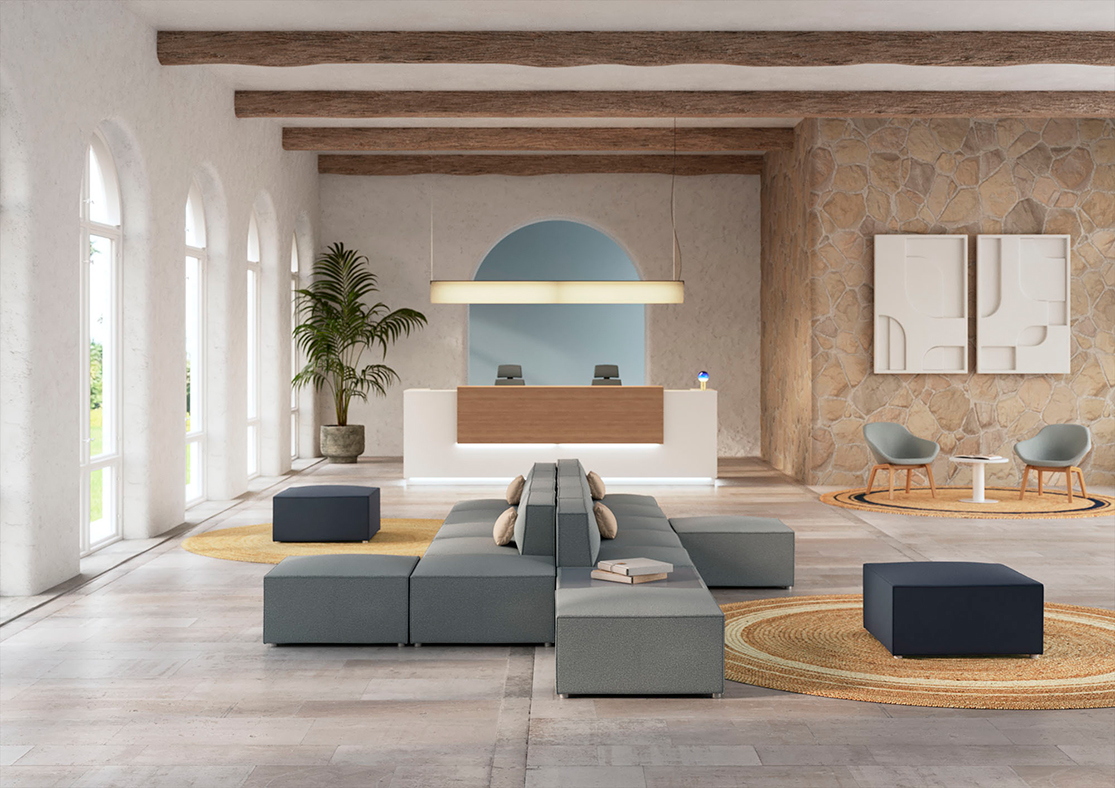
Today's offices must support multiple ways of working. A single environment may host informal meetings, focused individual work, spontaneous interactions, and active waiting areas.
Soft Seating solutions make it possible to structure these spaces naturally, creating distinct areas without the need for architectural modifications or complex renovations.
Informal Collaboration
Open environments encourage communication and the exchange of ideas. Soft Seating configurations facilitate spontaneous meetings, agile working sessions, and informal conversations that promote creativity and teamwork.
Short-Term Individual Work
Not every task requires a traditional workstation. Soft Seating areas provide comfortable spaces where users can focus temporarily, review documents, or complete quick tasks in a more relaxed setting.
Active Waiting Areas
Waiting areas are no longer passive spaces. With Soft Seating, they become an integrated part of the user experience, offering comfort, functionality, and a more welcoming corporate environment.
Benefits for Workplace Projects
From a workplace design perspective, Soft Seating solutions provide several advantages:
- Efficient zoning without construction work.
- Improved acoustic comfort.
- Visual consistency with the corporate environment.
- Greater flexibility for future space adaptations.
- Better utilization of collaborative and common areas.
Designing for Multiple Ways of Working
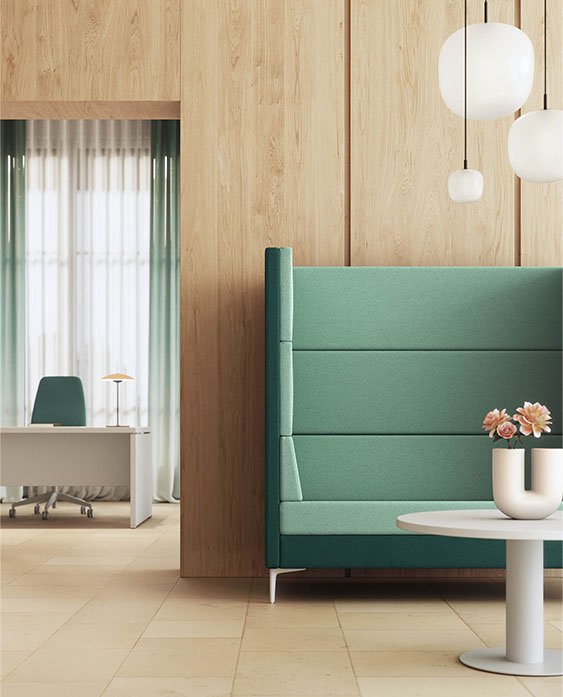
Modern offices must support a variety of activities and user profiles. Soft Seating solutions not only optimize available space but also enhance the daily experience of employees and visitors.
Designing workplaces today means designing for flexibility, collaboration, and well-being. Soft Seating has become an essential tool to achieve these goals.